Introduction:
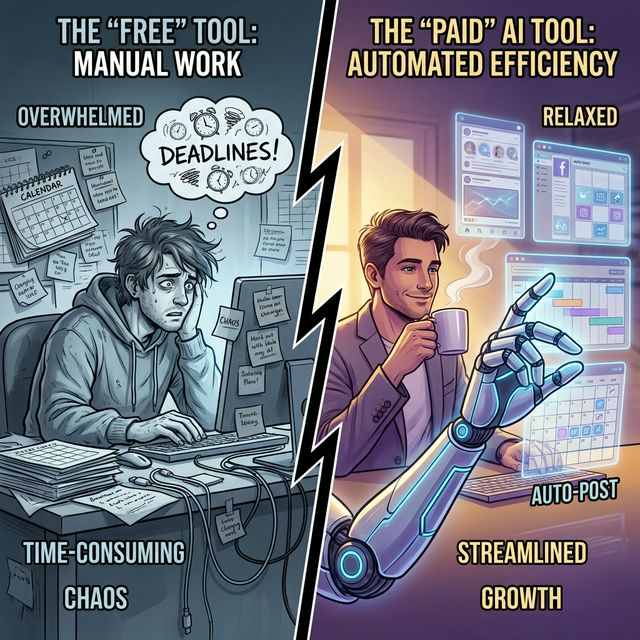
A solid editorial calendar is much more than just an organizational tool; it's the cornerstone of your content strategy, a major asset for e-commerce businesses, local shops, and ambitious entrepreneurs. In 2025, with the constant evolution of algorithms and the increasing integration of artificial intelligence (AI), it has become crucial to adopt a structured, impactful, and, above all, strategic content approach. Discover how to create an editorial calendar that not only captures the attention of your target audience but also optimizes your search engine optimization (SEO) and maximizes your return on investment (ROI), all while saving you valuable time and optimizing your resources.
Why is an Editorial Calendar Indispensable in 2025?
An editorial calendar isn't just a simple publishing schedule. It's a genuine strategic roadmap that allows you to:
- Anticipate trends with precision: Stay ahead of the seasons, promotional events, key holidays, and market developments.
- Optimize your time and efforts: Say goodbye to last-minute rushes by planning your content in advance and adopting an efficient workflow.
- Maximize your return on investment (ROI): Align your content with your marketing and business objectives for a measurable impact on your financial results.
The 5 Key Steps to Build an Effective Editorial Calendar in 2025
1. Define Your Goals and Segment Your Audience
Before launching into planning, take the time to ask yourself the right questions:
- What is your main goal for this year? (Increase sales of key products, generate more qualified traffic, build customer loyalty, etc.)
- Who makes up your target audience? (Segmentation by age, interests, purchasing behaviors, sensitivity to promotional offers, etc.)
Pro Tip: Use analytics tools like Google Analytics 4 or behavioral analysis solutions like Hotjar to dissect the journey of your visitors. Adapt your content to their specific needs, communication preferences, and pain points. A fine segmentation of your audience will allow you to create ultra-personalized content, thus increasing engagement and conversions.
2. Identify Key Periods and Opportunities of the Year
For e-commerce businesses, moments like sales, end-of-year holidays, Black Friday, and the back-to-school season are essential. But don't neglect industry-specific or local events that can have a direct impact on your audience.
Concrete Example: An online store specializing in sports equipment could capitalize on major sporting events (Olympics, World Championships) to create content focused on performance, challenges, and self-improvement. Offer buying guides, product comparisons, and specific promotions for these periods.
3. Integrate AI to Automate and Optimize Your Planning
Artificial intelligence is your ally for increasing your efficiency and freeing up time for higher-value tasks. Here are two indispensable tools:
- ChatGPT (or an alternative): Use this AI to generate innovative content ideas, write drafts of impactful posts, and even create catchy titles in seconds.
- Notion or Trello (or equivalent): These platforms allow you to organize your publishing calendar, track the progress of your projects, and collaborate effectively with your team, all within a centralized workspace.
Expert Tip: Leverage AI solutions like Jasper to generate SEO-optimized content variations in record time. This will allow you to target a wider range of keywords, improve your position in search results, and attract more qualified traffic to your site.
4. Diversify Your Content Formats for an Optimal User Experience
A successful editorial calendar must integrate a variety of formats to maintain audience engagement. Think outside the box and offer rich and diverse content:
- Detailed and informative blog articles: examine topics of interest for your audience and position your brand as a reference in your sector.
- Short and dynamic videos (Instagram Reels, TikTok): Create impactful visual content to capture the attention of your audience and increase your visibility on social media.
- Engaging infographics: Present complex data in a clear and attractive way, using a neat design.
- Personalized newsletters: Send exclusive offers and targeted content to your subscribers to maintain the customer relationship.
- Interactive posts on social media (polls, quizzes): Encourage community engagement and gather valuable information about their preferences.
Concrete Example: A freelance designer could alternate between video tutorials (showing design techniques), case studies (presenting concrete projects with measurable results), and customer testimonials (reinforcing the credibility of their expertise).
5. Analyze Your Results and Adjust Your Strategy in Real-Time
An editorial calendar is not a fixed roadmap. It must be flexible and adapt to the evolution of your performance. Set up analysis tools like Google Data Studio or platforms like Hootsuite Analytics to measure the impact of your content:
- Which articles or videos generate the most engagement?
- What are the most effective traffic sources?
- What keywords attract the most qualified visitors?
Advanced Tip: Conduct A/B tests on your content, vary your posting times, and measure the impact of each modification. This will allow you to identify the most relevant time slots and continuously optimize your content strategy for maximum impact.
Mistakes to Absolutely Avoid When Creating Your Editorial Calendar
- Prioritize quantity over quality: Quality content is more likely to generate engagement and conversions. Focus on creating content that provides real added value to your audience.
- Neglect weak signals: Stay attuned to emerging trends in your sector and don't hesitate to adapt your strategy accordingly.
- Forget SEO optimization: Each piece of content should be designed to meet the queries of your target audience on search engines. Optimize your keywords, titles, and descriptions for better visibility.
Conclusion:
A well-thought-out editorial calendar is the key element to transforming your content strategy into a powerful growth lever for your business in 2025. By combining strategic planning, the use of AI tools, and rigorous analysis of your performance, you can maximize your impact, save valuable time, and achieve your goals more quickly.
A month of social media posts, ready to publish, in 2 minutes
HighStory reads your website and generates your Instagram, LinkedIn and Facebook posts with visuals, captions and a calendar. You approve, it publishes.