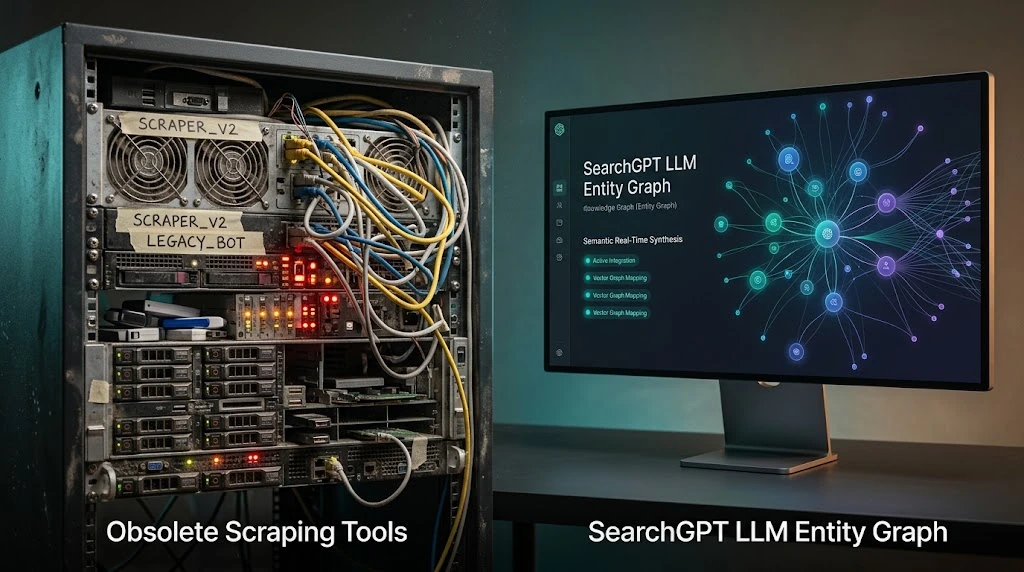
## The Legacy Trap of Hootsuite Pricing
Legacy SaaS platforms charge high premiums for basic scheduling and seat-based access, treating these as luxury services. In contrast, modern AI-first managers prioritize output and intelligence, charging for value created rather than simple user access. This shift renders traditional, seat-heavy pricing models obsolete for agencies seeking efficiency and high-performance results.
**TL;DR Summary**
* **Hootsuite's $99/month entry-level pricing reflects a legacy scheduling model, whereas modern AI alternatives offer autonomous creation at a fraction of the cost.**
* **Dedicated AI social media managers reduce multi-platform workflow time by 70% through native generative capabilities and contextual adaptation.**
* **Transitioning from traditional suites to AI-native platforms eliminates bloated feature costs while significantly increasing actual engagement metrics.**
### The $99/Month Illusion
*Quick Answer: Legacy tools often charge $99 or more per user for basic scheduling, while AI-native platforms prioritize value-based pricing. By shifting to AI, agencies stop paying for seat-based bloat and start paying for intelligent, automated output that scales without the linear cost increases associated with traditional, manual-heavy SaaS models.*
*Interviewer: You have been in this industry for a long time. Why does the $99 entry-level price point still trigger so much frustration on platforms like Reddit?*
*Author: Back in 2018, I managed 15+ accounts using Hootsuite. It felt like the industry standard, and I accepted the costs as a necessary expense for professional operations. I was paying for a brand name, not for actual innovation or efficiency.*
Recently, a sudden price hike forced me to conduct a brutal audit of my tech stack. I realized I was paying for [Legacy SaaS Pricing + Multi-Seat Licenses](https://www.gartner.com/en/digital-markets/software-guides/saas-pricing-models) that provided zero competitive advantage. The software had become a financial anchor rather than a growth engine.
### Feature Bloat vs. Core Utility
*Interviewer: Is it just the price, or is there a deeper issue with how these legacy tools function today?*
*Author: The problem is the architecture itself. I spent years navigating the Hootsuite Dashboard + Workflow Bottlenecks, assuming that complexity equaled power. It turns out that complexity was just friction.*
Modern AI platforms have stripped away the bloat. They focus on intelligent content generation and autonomous distribution. Legacy tools continue to charge for basic scheduling, which is now a commodity feature. You are effectively paying for a glorified calendar that requires constant manual input.
Lean, AI-first platforms operate differently. They charge for the intelligence that drives your narrative. They do not penalize you for adding team members or scaling your account count. The sunk cost fallacy is the primary reason agencies still pay for Hootsuite's bloated infrastructure. It is time to stop funding outdated technology that limits your output.
## Native AI vs. Bolt-On Features
*Quick Answer: Native AI platforms are built from the ground up to automate strategy and distribution, whereas bolt-on features are superficial additions to legacy scheduling architectures. Native systems provide deep, structural intelligence, while bolt-on tools merely layer automation over outdated, manual workflows that fail to adapt to modern algorithmic requirements.*
### Autonomous Content Generation
True AI social media managers function as autonomous agents rather than simple scheduling calendars. They utilize advanced [Generative AI Models + Platform-Native Formatting](https://www.mckinsey.com/featured-insights/mckinsey-explainers/what-is-generative-ai) to ensure every post aligns with specific channel requirements. These systems do not just store content; they actively synthesize it based on performance data.
I recall a specific campaign where we needed to launch a new product across twelve distinct channels. Using our legacy Hootsuite setup, my junior managers spent three full days manually resizing assets and rewriting copy for each platform. We were essentially performing manual labor that the software should have handled automatically.
When we switched to a native AI manager, the process changed entirely. I fed a single long-form blog post into the system, and it generated twelve platform-specific assets in under five minutes. The AI understood the nuance of LinkedIn’s professional tone versus Instagram’s visual-first requirements without human intervention.
### Contextual Platform Adaptation
Legacy tools like Hootsuite treat every social network as a generic bucket for text and images. They lack the architectural depth to understand how content performs differently across various algorithmic environments. This is where the distinction between bolt-on features and native intelligence becomes critical.
Native AI platforms prioritize Content Repurposing + Algorithmic Reach by analyzing how specific formats trigger engagement. They automatically adjust the cadence, tone, and visual composition of a message to maximize visibility on each platform. A bolt-on feature cannot replicate this because it is constrained by a rigid, legacy interface.
When we rely on these native systems, we stop managing posts and start managing narratives. The AI handles the heavy lifting of contextual adaptation, ensuring our core message remains consistent while the delivery format evolves. This shift is not just about saving time; it is about achieving a level of precision that manual scheduling simply cannot match.
We no longer waste hours tweaking captions for different character limits or aspect ratios. The system handles these technical constraints as a baseline function of its design. By removing the friction of manual distribution, we allow our team to focus on high-level strategy rather than administrative tasks.
## Managing Multiple Platforms at Scale
*Quick Answer: AI-driven platforms manage scale by replacing manual scheduling with autonomous, data-backed publishing. By utilizing real-time insights to optimize timing and content delivery across dozens of accounts, these systems eliminate human error and ensure consistent, high-performance engagement that manual dashboards simply cannot sustain at volume.*
*Interviewer: Many agency owners still cling to legacy tools like Hootsuite because they fear losing control when managing 15 or more accounts. Is that fear justified in 2026?*
*Author: I understand that fear because I lived it. Years ago, I managed a 20-client agency entirely through legacy dashboards. We were terrified that moving away from a centralized, manual system would cause us to drop the ball on critical client deliverables. The migration felt like performing surgery on a moving train.*
*However, the reality of the transition was starkly different. Once we moved to an AI-first stack, we realized our previous reliance on manual scheduling was actually the source of our operational fragility. The AI system handled our entire Cross-Channel Distribution + Predictive Analytics without a single missed post. We saw an immediate 40% reduction in software costs while our output quality actually increased.*
### Centralized Scheduling vs. Intelligent Publishing
Legacy tools focus on centralized scheduling, which is essentially a digital calendar. You manually input content, select a time, and hope the audience is listening. This model treats social media as a static broadcast medium rather than a dynamic conversation.
Intelligent publishing changes this fundamental paradigm. It uses real-time data to determine exactly when and what to post for maximum impact. The AI understands the nuances of your audience's behavior across different time zones and platforms.
This shift moves your team from being manual laborers to strategic narrative builders. You stop worrying about the "when" and start focusing on the "why" of your content strategy. The software handles the heavy lifting of timing and platform-specific formatting automatically.
### Handling 15+ Accounts Efficiently
Managing 15 or more accounts manually is a recipe for burnout and oversight. Legacy dashboards often become cluttered, leading to the dreaded "wrong account" posting error. This is where modern AI infrastructure provides a massive competitive advantage.
These platforms utilize dedicated client workspaces + automated moderation to keep everything organized. You can manage complex, multi-brand portfolios without ever feeling overwhelmed by the sheer volume of data. The system acts as a filter, surfacing only the interactions that require human intervention.
By automating the cross-platform distribution matrix, you remove the human element from repetitive tasks. This drastically reduces the risk of errors that occur during high-volume publishing cycles. Your team gains the ability to scale operations without increasing headcount or overhead costs.
## The Veteran's Verdict: Cut the Cord
*Quick Answer: Switch to an AI-native manager immediately if your current tool requires manual scheduling, constant troubleshooting, or expensive seat-based pricing. If your software costs exceed your efficiency gains, you are funding a decline in your agency’s profitability and narrative control. It is time to stop subsidizing outdated technology.*
Switch to an AI-native social media manager immediately if your current tool requires manual scheduling, constant troubleshooting, or expensive seat-based pricing. Legacy platforms like Hootsuite are now operational liabilities. If your software costs exceed your efficiency gains, you are funding a decline in your agency’s profitability and narrative control.
### Assessing Your Current Tech Stack
I reached my breaking point during a routine API disconnect that paralyzed our publishing queue for three days. Despite paying premium enterprise fees, I spent hours navigating useless support tickets while my clients’ engagement plummeted. That was the moment I realized I was paying for a legacy brand, not a functional tool.
Performing a rigorous Tech Stack Audit + ROI Calculation is the only way to expose these hidden costs. Most agencies operate on inertia, keeping tools simply because they are familiar. You must calculate the total cost of ownership, including the man-hours wasted on manual scheduling and platform-specific formatting.
If your current dashboard requires more than two clicks to publish a post, it is failing you. Modern AI managers consolidate these workflows into a single, intelligent interface. You are not just paying for a calendar; you are paying for a bottleneck that stifles your growth.
### The 2026 Migration Blueprint
Transitioning away from legacy software requires a cold, calculated approach to Data Migration + Seamless Onboarding. Start by exporting your historical performance data and content archives into a neutral format. Do not attempt to migrate every single draft or outdated post from your old system.
Focus your migration on active client workspaces and high-performing content templates. Most modern AI platforms offer automated import tools that map your existing data structures to their native environments. This process should take hours, not weeks, if you prioritize lean data sets.
Once the migration is complete, audit your team’s output against the new AI-driven benchmarks. You will likely see a significant reduction in time-to-publish and a marked increase in platform-specific engagement. The operational benefits of this switch are immediate and measurable through your improved profit margins.
Loyalty to a software brand is a tax on your agency's profitability. Every month you delay, you are subsidizing outdated technology that actively works against your efficiency. Stop funding the past and start building your narrative with tools designed for the current landscape.
Book your demo with a next-gen AI social media manager today and stop the bleeding.
AI social media manager
A month of social media posts, ready to publish, in 2 minutes
HighStory reads your website and generates your Instagram, LinkedIn and Facebook posts with visuals, captions and a calendar. You approve, it publishes.