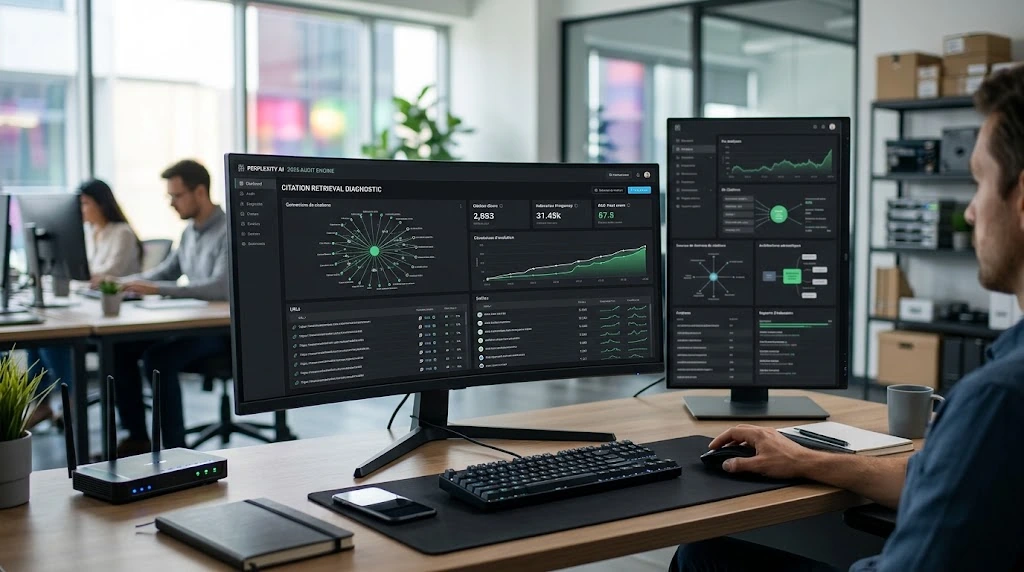
Digital marketing is all about promoting your business online. Whether you're selling hand-crafted candles through your e-commerce store, running a café downtown, or offering consulting services as a freelancer, digital marketing helps you reach your ideal customers—wherever they are.
From social media platforms like Instagram and TikTok to Google Search, digital marketing gives you access to tools that are affordable and effective, no matter your budget.
Why Digital Marketing Works for Small Businesses

Here’s why small businesses, freelancers, and local entrepreneurs can’t afford to ignore digital marketing:
- Your Customers Are Already Online
Nearly 93% of Americans are online, searching for products, services, and local businesses every day. Whether they’re looking for “vegan cookies near me” or “freelance graphic designers in Boston,” digital marketing makes sure they find you. - Affordable Options
You don’t need a massive budget. Platforms like Facebook and Google Ads allow you to run campaigns for as little as $5 a day. Organic marketing (like SEO or Instagram posts) can also bring big results without breaking the bank. - Reach Customers Locally or Globally
Whether you're targeting people in your neighborhood or selling products nationwide, digital marketing platforms like Google My Business, Instagram, or Etsy help you connect with your ideal audience. - Build Relationships and Loyalty
For small businesses, relationships matter. Digital marketing lets you engage directly with your customers through emails, social media, or even text messages.
Digital Marketing Strategies for Small Businesses

Let’s explore the most effective strategies for small e-commerce sites, freelancers, and local businesses.
1. Google My Business for Local Visibility
If you run a local business (like a bakery or a fitness studio), setting up a free Google My Business profile ensures that customers in your area can find you. When someone searches for “coffee shops near me,” your business can appear at the top of the results.
2. Search Engine Optimization (SEO)
SEO helps small e-commerce stores and entrepreneurs rank higher on Google. For example, if you sell handmade jewelry, optimizing your product pages for terms like “unique engagement rings” can attract potential buyers.
3. Social Media Marketing (SMM)
Platforms like Instagram, TikTok, and Facebook are ideal for showcasing your products or services. Freelancers can use LinkedIn to connect with potential clients, while local businesses can use Instagram to promote events or daily specials.
4. Content Marketing
Blogging, videos, or even a simple FAQ section on your website can attract new customers. For instance:
- A freelancer could write a blog post like “5 Signs You Need a Website Redesign.”
- A café could create a video on how they make their signature lattes.
5. Email Marketing for Direct Engagement
Email marketing tools like Mailchimp or ConvertKit let you send personalized offers, updates, or newsletters to your customers. For e-commerce sites, emails can remind users to complete their purchases or inform them of new arrivals.
6. Affordable Advertising (PPC)
Platforms like Facebook Ads and Google Ads let you run campaigns targeted at specific audiences. For example, a local yoga studio can target ads to people searching for “yoga classes near me.”
Top Digital Marketing Tools for Small Businesses

Here are some tools that work well for small budgets:
- Canva: Create professional-looking graphics for free or at a low cost.
- Google My Business: A must-have for any local business to improve visibility.
- Mailchimp: Perfect for email marketing campaigns to keep in touch with customers.
- Instagram & TikTok: Showcase your products or services and connect directly with your audience.
- Yoast SEO: Helps improve your website’s SEO ranking (especially useful for WordPress users).
Success Stories: How Digital Marketing Works for Small Businesses

For a Freelancer:
A freelance graphic designer in Austin, Texas, used Instagram to post portfolio samples and share client testimonials. Within six months, she doubled her client base by engaging directly with small business owners in her city.
For a Local Business:
A family-owned bakery in Seattle set up Google My Business and encouraged customers to leave reviews. This simple step increased foot traffic by 25%, thanks to higher visibility in local search results.
For an E-commerce Site:
A small online store selling organic skincare products ran Facebook Ads targeting people interested in natural beauty. By spending $100 on ads, they generated $1,000 in sales within a week.
Tips for Getting Started with Digital Marketing

- Start Small:
You don’t need to do everything at once. Pick one or two strategies (e.g., Google My Business and Instagram) and focus on them. - Define Your Audience:
Who are your customers? Where do they spend time online? If you know your audience, you can focus your efforts on the right platforms. - Use Free Tools:
Tools like Google Analytics and Canva can help you get started without spending money. - Experiment and Learn:
Test different campaigns, track the results, and adjust your strategy based on what works best.
Conclusion
Digital marketing is a powerful tool for small businesses, freelancers, and entrepreneurs. It’s not about having the biggest budget—it’s about being creative and strategic. Whether you’re running a local coffee shop or selling handmade products online, digital marketing helps you connect with your audience, grow your brand, and increase sales.
Why It’s Perfect for Small Businesses:
- Affordable and accessible.
- Tailored to your specific audience.
- Gives you the power to compete with bigger players.
Take your business to the next level—start your digital marketing journey today!

A month of social media posts, ready to publish, in 2 minutes
HighStory reads your website and generates your Instagram, LinkedIn and Facebook posts with visuals, captions and a calendar. You approve, it publishes.