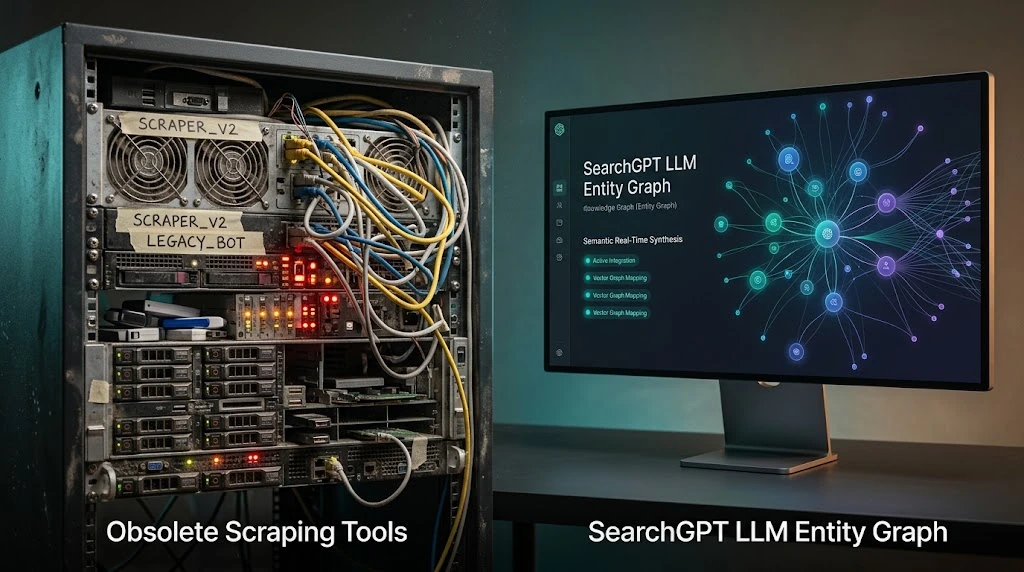
The Problem MCP Solves
Until recently, Artificial Intelligence was trapped in a box. You could ask an AI a question, and it would give you an answer based on its training data. But it couldn't do anything. It couldn't read your live CRM data, it couldn't check your email, and it certainly couldn't post on your company's LinkedIn page.
AI without MCP is just a very smart notepad. AI with MCP is an agent that takes action.
How MCP Works (Without the Technical Jargon)
MCP (Model Context Protocol) is an open-source standard created by Anthropic (the makers of Claude). Think of MCP as a universal USB-C cable for AI.
Before MCP, every app had to build a custom plugin for every AI model. It was a nightmare. MCP standardizes this. It creates a bridge between Claude Desktop and external servers.
- The Client: Claude Desktop.
- The Server: A small script (like the High Story MCP server) running on your machine.
- The Tools: The actual actions Claude is allowed to take (e.g., "Generate Image," "Draft Post," "Publish").
When you ask Claude to schedule a post, Claude sends a request over the MCP bridge to the High Story server, which executes the action on your behalf.
What Marketers Can Do with an MCP-Enabled Claude
For marketers, MCP is the holy grail of automation. It bridges the "Action Gap."
- Seamless Publishing: You no longer need to copy-paste content into scheduling tools.
- Data Extraction: An MCP server can allow Claude to read your Google Analytics data and generate a performance report directly in the chat.
- Visual Consistency: By connecting Claude to an image generation engine via MCP, your text and visuals are created simultaneously, ensuring perfect alignment.
High Story as an MCP Server
High Story was built specifically to leverage this protocol. By installing the `highstory-mcp` package, you instantly grant Claude the "keys" to your social media accounts. You transform a conversational interface into a complete marketing command center. The days of juggling dozens of SaaS subscriptions are rapidly coming to an end.
What is the Model Context Protocol (MCP)?
MCP is an open standard developed by Anthropic that allows Claude to connect to external tools, data sources, and services. It enables Claude to take real-world actions — like reading a database, posting to social media, or triggering a workflow — beyond generating text.
Who created MCP?
MCP was created by Anthropic, the company behind Claude. It was released as an open standard, meaning any developer can build an MCP server to connect Claude to their product or service.
Is MCP the same as ChatGPT plugins?
They solve a similar problem but differ architecturally. ChatGPT plugins are OpenAI-specific. MCP is an open protocol — any application can implement an MCP server to become Claude-compatible. High Story's MCP server is an example.
Do I need to be a developer to use MCP tools?
To build an MCP server, yes. To use one, no. High Story's MCP setup takes two terminal commands and requires no coding. The npx highstory-mcp setup command handles configuration automatically.
What can Claude do with the High Story MCP server?
Claude can create social media campaigns, generate and regenerate post images, edit post copy, review pending content, and publish posts — all from a natural language prompt in Claude Desktop.
A month of social media posts, ready to publish, in 2 minutes
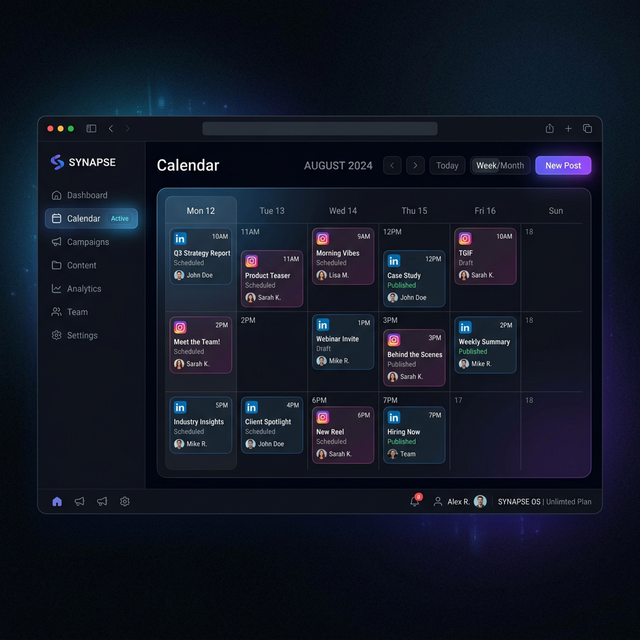
HighStory reads your website and generates your Instagram, LinkedIn and Facebook posts with visuals, captions and a calendar. You approve, it publishes.